Common Types of Stone Used and How They’re Restored
People seeking stone restoration often want to restore beauty and durability to various stone surfaces, and local contractors can provide expert care for common types of stone used and how they’re restored.
Understanding the common types of stone used in construction and design can be invaluable for property owners looking to preserve or enhance their outdoor and indoor spaces. Whether you own a historic home, a commercial building, or a landscaped garden, recognizing the specific materials involved helps inform maintenance decisions and restoration needs. Restoring these stones not only revitalizes their appearance but also extends their lifespan, making it a practical concern for those committed to maintaining the beauty and integrity of their property.
Local contractors who specialize in stone restoration bring expertise in handling a variety of materials, ensuring that each type of stone is cared for appropriately. From identifying the best restoration techniques to selecting suitable cleaning and repair methods, these professionals help property owners achieve durable, attractive results. Exploring common types of stone used and how they’re restored can empower property owners to make informed choices, connecting them with skilled service providers who can handle the job effectively and efficiently.
- Marble surfaces - homeowners noticing etching or dullness can rely on local contractors to carefully restore their marble with specialized polishing and cleaning techniques.
- Granite countertops - when granite shows signs of staining or surface damage, local service providers can perform restorative treatments to renew its appearance.
- Limestone flooring - limestone that has become scratched or stained benefits from expert restoration methods to bring back its natural beauty.
- Slate features - slate surfaces affected by wear or staining can be restored by local pros using appropriate cleaning and sealing processes.
- Travertine installations - travertine that has lost its luster or has surface imperfections can be revitalized through professional restoration services.

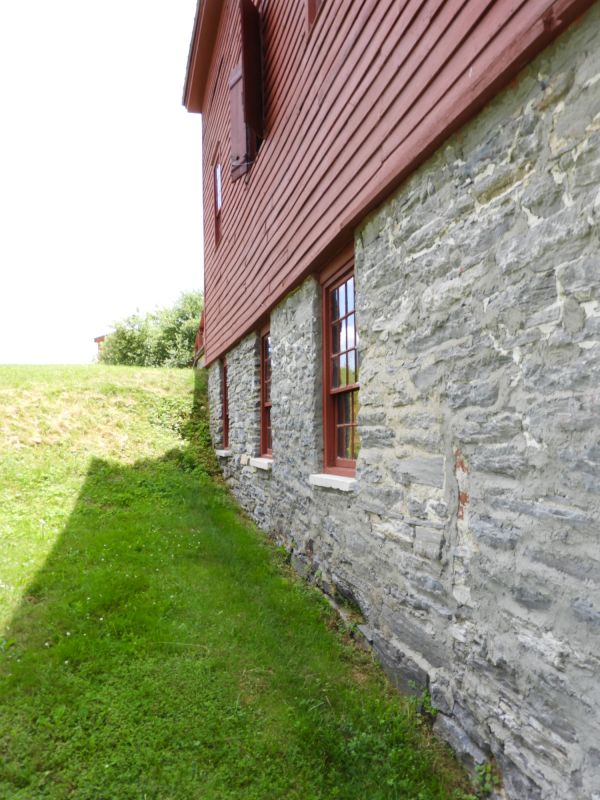
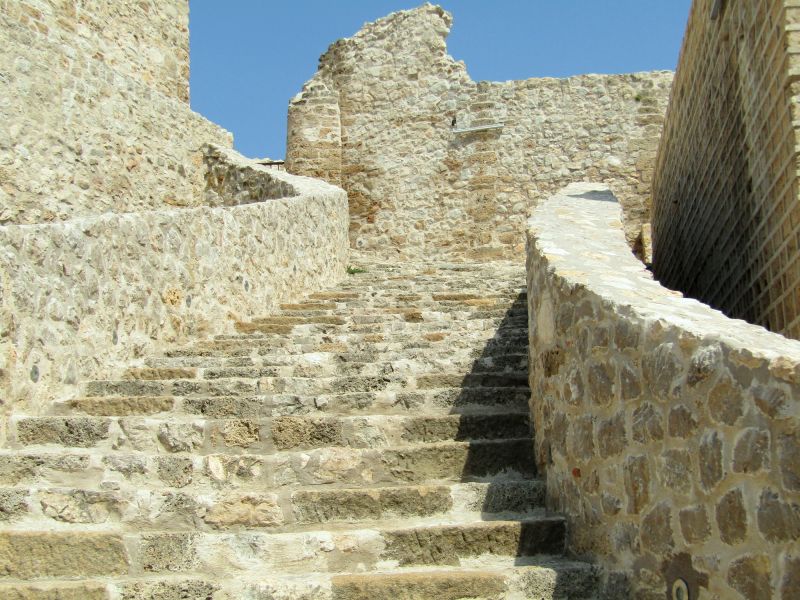
When searching for information about common types of stone used and how they’re restored, homeowners often want to understand the different materials that make up their property’s surfaces and how those materials can be brought back to life if they become damaged or worn. This topic is frequently related to projects involving patios, walkways, countertops, or historic building facades. People typically encounter issues such as surface erosion, staining, cracking, or dullness, which can diminish the appearance and integrity of stone features. Restoring these surfaces involves specialized techniques tailored to the specific type of stone, making it essential to work with experienced local contractors who understand the nuances of each material.
Different types of stone are chosen for their durability, appearance, and suitability for various applications. Common natural stones include granite, marble, limestone, sandstone, and slate. Each has unique characteristics that influence how it ages and responds to environmental exposure. For example, marble is prized for its elegance but can be prone to staining and etching, while granite is more resistant to scratching and heat. When stone surfaces become damaged or lose their luster, restoration methods such as cleaning, sealing, polishing, or patching are used to improve their appearance and extend their lifespan. Local stone restoration specialists are familiar with these materials and can recommend the most effective approach based on the specific type of stone involved.
Restoration techniques vary depending on the stone type and the nature of the problem. For softer stones like limestone and sandstone, gentle cleaning and careful sealing are often necessary to prevent further deterioration. Harder stones like granite and slate may require polishing or grinding to remove surface scratches and restore their shine. In cases of deep staining or surface damage, more intensive procedures such as chemical treatments or resurfacing might be needed. The goal is to restore the stone’s original look while protecting it from future damage. Working with local service providers ensures that the methods used are appropriate for the specific stone type, helping property owners achieve durable and visually appealing results.
Understanding common types of stone used and how they’re restored connects directly to practical property projects. Whether restoring a historic façade, upgrading a patio, or maintaining a decorative feature, knowing the characteristics of different stones helps homeowners make informed decisions. Local stone restoration professionals bring valuable expertise to these projects, offering tailored solutions that respect the unique qualities of each material. By partnering with experienced service providers, property owners can ensure their stone surfaces are properly cared for and preserved, enhancing both the beauty and longevity of their property.
Marble polishing projects - local contractors specializing in marble restoration can help restore the shine and smoothness of marble surfaces used in flooring and countertops.
Granite repair services - professionals experienced in granite restoration can address chips, cracks, and surface dullness common in kitchen and bathroom installations.
Limestone cleaning projects - local service providers can safely clean and restore limestone features, ensuring their natural appearance is preserved.
Slate sealing and restoration - experts can apply protective sealants and repair surface damage on slate flooring and accents.
Travertine refinishing services - local pros can help restore the textured surface and enhance the appearance of travertine used in various interior and exterior applications.
Stone veneer repair projects - specialists can repair and restore stone veneer facades, ensuring durability and aesthetic appeal are maintained.
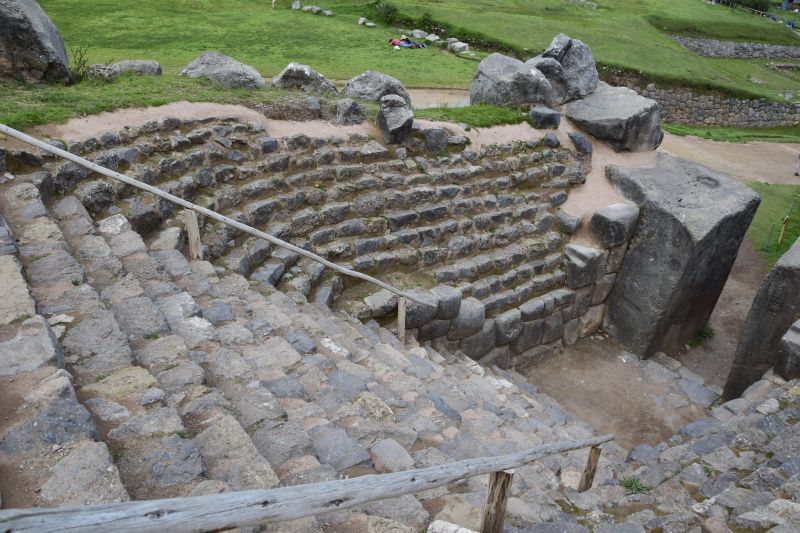
When evaluating local contractors for stone restoration services, it’s important to consider their experience with similar projects involving common types of stone used and how they’re restored. An experienced service provider will have a solid understanding of different stone materials, such as marble, limestone, granite, or slate, and the specific techniques needed to restore each effectively. Asking about past projects that are comparable in scope and material can help determine if a contractor has the relevant expertise to deliver quality results for your specific needs.
Clear, written expectations are essential when comparing local service providers. Reliable contractors should be able to outline the scope of work, the methods they plan to use, and the types of restoration treatments appropriate for the stone in question. This transparency allows homeowners to understand what is involved and helps prevent misunderstandings. Additionally, reputable providers often have references or portfolios that showcase their work on similar stone restoration projects, providing insight into their capabilities and the quality of their craftsmanship.
Good communication is a key factor in selecting the right local contractor for stone restoration. A professional service provider should be responsive to questions, willing to discuss different options, and able to explain the restoration process in understandable terms. This openness fosters trust and ensures that homeowners feel confident throughout the project. By focusing on experience with similar projects, clear written expectations, and reputable references, homeowners can better compare local pros and find a contractor who can handle their stone restoration needs effectively.
Property owners often search for common types of stone used and how they’re restored when they are planning practical projects around their homes and businesses. Local pros provide Stone Restoration services for everyday jobs and straightforward project options.
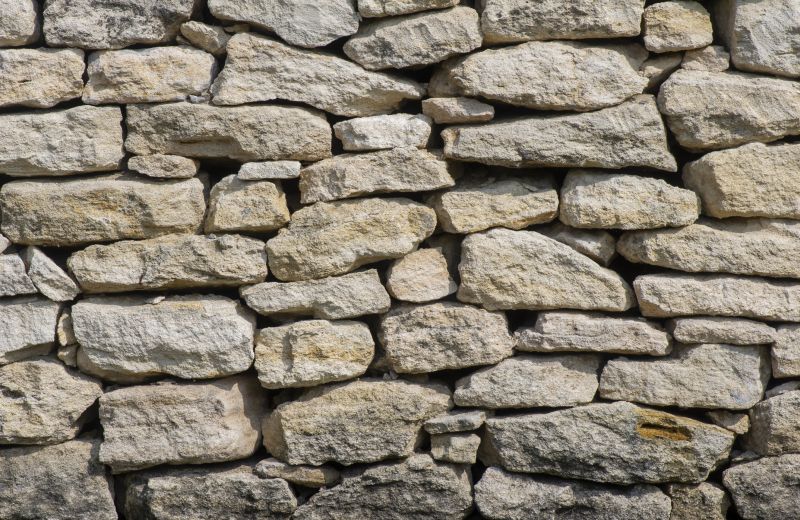
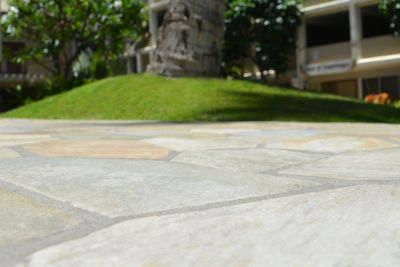
Understanding the common types of stone used in property features like patios, walkways, and countertops can help property owners recognize when restoration might be needed. Materials such as granite, limestone, sandstone, and marble each have unique characteristics that influence their appearance and durability over time. When these stones show signs of wear, staining, or surface damage, property owners often seek guidance on how to restore their natural beauty. Local contractors experienced in stone restoration can assess the specific type of stone and recommend appropriate techniques to bring back its original look, whether through cleaning, polishing, or repairing surface imperfections.
Restoring stone surfaces typically involves a variety of methods tailored to the stone type and the extent of damage. For example, some stones may require gentle cleaning to remove dirt and stains, while others might need more intensive work like honing or sealing to address surface scratches or etching. Property owners considering stone restoration services generally look for experienced service providers who understand the nuances of different materials and can apply suitable techniques. Connecting with local specialists ensures that the restoration process respects the stone’s natural qualities and helps maintain the aesthetic appeal and longevity of the property’s features.
What are some common types of stone used in homes and buildings? Common types of stone used include marble, granite, limestone, slate, and travertine, each offering unique appearance and durability. Local contractors experienced in stone restoration can assess these materials and recommend appropriate restoration methods. They can help restore the original look and integrity of these stones. Consulting with local pros ensures the right techniques are used for each type of stone.
How do professionals restore marble and granite surfaces? Restoration of marble and granite typically involves cleaning, polishing, and repairing surface damage such as scratches or stains. Local stone restoration specialists use specialized equipment and products tailored to these materials. They can also address issues like etching or dullness to bring back a polished finish. Proper restoration preserves the natural beauty and extends the lifespan of these stones.
What methods are used to restore limestone and travertine? Limestone and travertine often require gentle cleaning and sealing to prevent staining and deterioration. Local service providers may perform honing and sealing to improve appearance and protect against future damage. They can also repair cracks or chips to maintain structural integrity. Expert restoration ensures these softer stones retain their aesthetic appeal over time.
Are slate surfaces restored differently than other stone types? Yes, slate surfaces are usually restored through cleaning, repairing any fractures, and sometimes re-sanding or sealing. Local pros understand the specific needs of slate to prevent damage during restoration. They can remove stains and restore a uniform appearance while preserving the natural texture. Proper techniques help maintain slate’s durability and visual appeal.
Why is professional restoration important for common stone types? Professional restoration ensures that each type of stone is treated with techniques suited to its composition, preventing further damage. Local contractors have experience working with various stones and can recommend the best restoration approaches. Proper restoration helps preserve the stone’s beauty, structural integrity, and longevity.
Identifying common stone types - property owners can learn about different stones like marble, granite, or limestone to better understand their restoration needs.
Choosing appropriate restoration methods - understanding how each stone type responds to cleaning, polishing, or sealing helps in planning effective projects.
Assessing damage and wear - recognizing signs of erosion, staining, or cracking in various stones guides property owners in selecting suitable repair services.
Partnering with experienced contractors - connecting with local service providers ensures proper restoration techniques are applied to preserve and enhance stone surfaces.
If you are thinking about common types of stone used and how they’re restored for a property, this guide is meant to help you understand this topic, the typical project types, and how different options might fit your plans.
When you are ready, you can use the quote form on this page to share a few details about your project. From there, local pros can review the basics and follow up with options that match what you have in mind.